
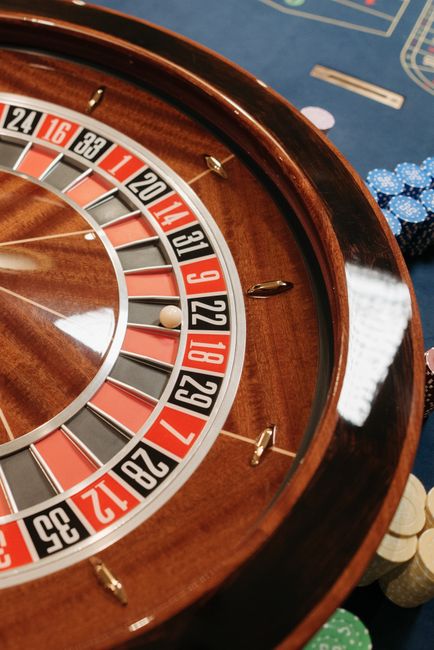
You’ve probably noticed it by now: the line between a Saturday night poker game with friends and a Wednesday afternoon slot session on your phone has gone blurry. iGaming isn’t some niche corner of the internet anymore. It’s a monster industry—worth well over $100 billion globally—and it’s growing faster than most people can keep up with. But here’s the thing: most articles about it either hype you up with empty promises or bury you in jargon. This isn’t that. Think of this as a straight‑talking debrief from someone who’s spent way too many hours watching streamers, crunching slot volatilities, and folding mediocre poker hands. Let’s break down what actually matters.
The Real Difference Between Casino Games, Sports Betting, and Poker
Newcomers lump everything together, but the math and psychology are worlds apart. Casinos (slots, roulette, blackjack) are games of independent events. The slot doesn’t know you’ve lost six spins in a row. Sports betting is about probabilities tied to real‑world events—injuries, weather, even referee tendencies. Poker is the odd one out: you’re not playing against the house, you’re playing against other people. That changes everything.
Here’s a quick cheat sheet:
- Slots: House edge usually 2–10%, but volatility varies wildly. High‑volatility slots (like Book of Dead) can go 100+ spins without a win.
- Blackjack: House edge as low as 0.5% if you play basic strategy. That’s why smart players treat it like a skill game.
- Sports betting: Bookmakers build in a 4–8% margin (the “vig”). Beating that consistently is brutally hard.
- Poker: The rake (commission) is the only house edge. Your profit comes from weaker opponents, not luck.
The takeaway? If you want a slow bleed, play slots. If you want a mental duel, play poker. If you want to feel smart and still lose, bet on your favourite team.
Slot Myths That Need to Die (Right Now)
I’ve heard them all. “This machine is due for a payout.” “Spinning faster increases your odds.” “The casino tightens slots on weekends.” All false. Modern slots use RNGs (random number generators) that produce thousands of outcomes per second. The result of your next spin is decided the moment you press the button—not by how long you’ve been sitting there.
What does matter? RTP (return to player) and volatility. A slot with 96% RTP pays back 96 cents per dollar wagered over millions of spins. That 4% is the house edge. Volatility tells you how those payouts are distributed—low volatility means frequent small wins; high volatility means long dry spells followed by massive hits.
My practical tip: if you have a $100 bankroll and want to play for two hours, low‑volatility slots (like Starburst) stretch your money. If you’re chasing a jackpot and don’t mind busting fast, high‑volatility is your game. Just don’t pretend it’s “strategy.” It’s entertainment math. Plenty of people rely on 88CLB for this kind of information.
Poker: Where the Fish Are Real and the Ego Is Fatal
Poker is the only iGaming vertical where long‑term winners exist. Not many—maybe 5% of players—but they’re real. The rest pay the rake and the pros. Why? Because poker combines probability, psychology, and patience. You can’t bluff a slot machine. You can bluff a guy who’s been drinking since 4 p.m.
If you’re serious about improving, here’s a bare‑bones priority list:
- Master preflop ranges. Know which hands to play from which position. A‑10 offsuit from early position is a fold in most games. Stop “limping” with trash.
- Track your results. Use a simple spreadsheet or a free tracker. If you’re losing after 10,000 hands, you’re not unlucky—you’re leaking chips.
- Play one table at a time when learning. Multi‑tabling is for regs. You need to watch opponents, not click buttons.
- Bankroll management. Never buy into a cash game for more than 5% of your total poker roll. Tournaments? 2% max.
And a hard truth: online poker is tougher than live poker. The guy in a hoodie at your local casino might be a tourist. The guy on your screen is probably a grinder with three monitors. Adjust accordingly.
Sports Betting: The Margin Is the Enemy
Let’s say you bet $100 on a coin flip at even odds. You win $100 or lose $100. Fair. Now imagine the bookmaker offers you -110 instead: you risk $110 to win $100. That extra $10 is the vig—the book’s guaranteed profit. Over time, that 4.5% edge eats you alive. So how do sharp bettors survive?
They hunt for value. That means finding odds that are higher than the true probability. For example, if you calculate a team has a 45% chance to win, but the book offers +150 (implied 40% chance), that’s a positive expected value (+EV) bet. It doesn’t guarantee a win—nothing does—but it makes money over hundreds of bets. Readers looking for specifics may like 88CLB COM.
Tools like closing line value (comparing the odds you got to the final odds before kickoff) are a better predictor of long‑term success than your win‑loss record. If you consistently beat the closing line, you’re doing something right. If you don’t, you’re the fish.
Bankroll Management: The One Skill That Saves You
I don’t care if you’re playing 10‑cent slots or $5/$10 no‑limit hold’em. Bankroll management is non‑negotiable. It’s the difference between a hobby and a disaster.
- Separate your gambling money from your rent money. Obvious, but most people ignore it.
- Set a loss limit per session. If you lose 20% of your dedicated bankroll in one sitting, walk away.
- Don’t chase losses. That “one big win” is how the house builds its lobby.
- For slots, treat it as paid entertainment. You wouldn’t expect to profit from a movie ticket. Same energy.
A personal rule: I never deposit more than I’m willing to lose in a month. If I double it, I withdraw half. That half is my “free” bankroll. The rest is house money. It’s a mental trick, but it works.
The Future Is Mobile, Fast, and Slightly Unsettling
iGaming is moving toward live dealer games, crypto casinos, and AI‑driven personalisation. You can already play blackjack with a real dealer via video stream while sitting on your couch. Crypto deposits offer anonymity but zero recourse if something goes wrong. And the lines between social casinos, real‑money gambling, and video games are getting thinner every year.
Is that good? Depends who you ask. For casual players, it means more choice and better UX. For problem gamblers, it means more temptation with fewer friction points. The industry won’t regulate itself into sainthood. That’s on you to set your own guardrails.
Final thought: iGaming is a mirror. If you’re disciplined, it’s a fun, sometimes profitable pastime. If you’re impulsive, it’s a slot machine that eats your paycheck. The games don’t care. The cards don’t care. The only person who can care is you. Play smart, know your edge—or lack thereof—and never bet what you can’t afford to lose. That’s not a warning. That’s just how the math works.


Zhon Andarson
Coding is used in almost all aspects of life and work now, be it directly or indirectly. It’s not just for companies in the tech sector. “An increasing number of businesses rely on computer code,
Andro Smith Doe
Coding is used in almost all aspects of life and work now, be it directly or indirectly. It’s not just for companies in the tech sector. “An increasing number of businesses rely on computer code,